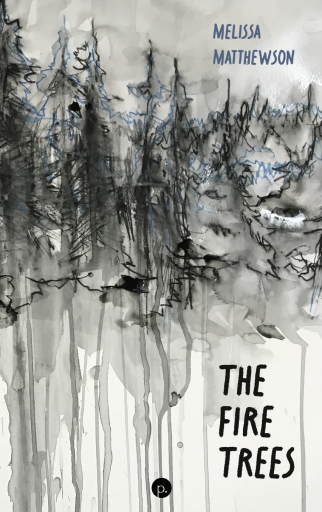
Writing the erotic self at the threshold of wildness — a feminist auto-theory of sensual ecologies.
forthcoming 2026 from punctum books
Overview:
The Fire Trees writes the erotic self at the threshold of wildness. Working in the tradition of feminist auto-theory, the book allows lived experience — sexuality, altered perception, landscape — to generate philosophical inquiry from within the body. Framed through “sensual ecologies,” the book explores queerness as identity and relational orientation: a way of inhabiting intimacy and environment at an angle to dominant structures. Blending lyric prose with ecological thought, feminist philosophy, and contemporary discourse on consciousness, the book proposes life writing as a radical practice where eros, theory, and wildness meet.
Full Description:
The Fire Trees is a work of feminist auto-theory that reimagines autobiographical writing as philosophical practice. Through lyric form and intertextual engagement with writers and thinkers including Simone de Beauvoir, Virginia Woolf, Julia Kristeva, Susan Sontag, Nan Shepherd, and Meridel Le Sueur, among others, the book explores how sexuality, altered perception, and landscape co-produce subjectivity.
At its core, The Fire Trees studies the sense experience of the body and mind as it relates to wildness and nature: How might we embrace sensualism, pleasure, and joy as a daily practice in the company of our transience? How do the places we inhabit shape intimacy, relationality, and sexuality? These essays investigate the dynamic relationship between the corporeal and the ethereal, asking how consciousness expands when we recognize ourselves as ecological beings.
Blending autobiography with ecological theory, feminist philosophy, and psychedelic discourse, the book proposes “sensual ecologies” as both a formal and conceptual framework — a way of writing the self as relational, situated, and entangled with the natural world. Subjects range from queer kinship in the Siskiyou Mountains to the aesthetics of surrealist self-portraiture, from bisexuality and erotic performance in landscape to sex clubs, historical brothels, and altered states of perception. An experimental auto-theoretical story on existential love in opposition to capitalism further extends the book’s inquiry into structure, freedom, and desire.
Engaging bell hooks’ understanding of queerness as a practice of creating space to thrive, The Fire Trees explores a relationship with the earth that embodies queer intimacy, complexity, and expansiveness. At once philosophical and embodied, intertextual and intimate, the book positions lived experience as a site of theory, ecology, pleasure, and transformation.

 Melissa Matthewson